Addiction Treatment Texas: The Value of Continuing Care
Recovery hardly ever finishes when a person leaves of a detox unit or finishes a 30 day program. The brain, the body, and the household system adjust to alter on a slower clock than a discharge day. That is why continuing care, the structured comply with up that begins the moment official treatment ends, often makes the distinction between a solitary episode of care and a long lasting go back to health. In Texas, distance, environment, military existence, and a patchwork of coverage options shape what good proceeding treatment looks like. If you work in the area or you are supporting an enjoyed one, it helps to comprehend the pieces that maintain individuals moving forward over months and years, not just with a short program.
Why the aftercare home window matters
Acute therapy supports. Proceeding treatment rewires. The first 3 to 6 months after discharge are high danger since environmental cues reappear, sleep and anxiety systems stay dysregulated, and daily frameworks shift. National estimates location regression rates for substance use disorders in an array similar to other persistent health problems like diabetes or hypertension. That framework issues. We do not call insulin a failing when an individual with diabetes mellitus has a sugar spike. We adjust the plan, recheck, and support the individual before us. Healing requires the exact same stance.
People in Texas often return home to task sites that stabilize after work drinking, oilfield routines that extend right into long turnings, or college life that pulses with public opinion. Warm and long commutes include tiredness. If continuing treatment is slim or nominal, those forces win. When it is specific, individual, and measured, we see fewer situations and even more stable, sometimes unremarkable, weeks that amount to the life a person wants.
What proceeding treatment actually looks like
In technique, proceeding treatment is not a single team on Tuesday nights. It is a strategy you can read on paper, with names, times, medications, and back-up choices. At a minimum, it ought to include the following elements, scaled to the individual and readjusted over time.
- Medication plan and refills, including that prescribes, exactly how to reach them in between sees, and pharmacy access
- Scheduled treatment or recuperation mentoring with regularity that tapers as security builds
- Urine or breath testing cadence that is restorative, not punitive, with clear feedback
- Peer connection, such as recuperation meetings, faith communities, or alumni networks that fit the individual culturally and logistically
- A written regression response plan, consisting of early warning signs, supports to call, and steps for fast stabilization
When I sit with a customer on discharge day in San Antonio, I intend to see real information. The specific bus path or rideshare prepare for center days. A back-up telehealth alternative if a kid gets sick. The enroller's contact number saved and shared with a member of the family. None of this warranties success, however it diminishes the space where avoidable failings have a tendency to hide.
The Texas context alters the map
Texas is large, and treatment deserts exist in between cities. That geography pressures various choices than in dense coastal areas. Right here are a couple of realities I browse with families.
Insurance and coverage vary widely throughout regions. Some customers qualify for Medicaid, others rely on industrial plans with slim networks, numerous are uninsured. Big companies in power, construction, and friendliness might offer Worker Aid Programs that can cover a preliminary set of sessions. For experts and army family members, TRICARE and the VA add alternatives, but these systems have their very own referral processes and guidelines regarding drug insurance coverage. In rural regions, a single buprenorphine prescriber might cover hundreds of square miles, that makes telehealth and pharmacy control essential.
Climate matters greater than individuals think. A relapse plan that relies upon outdoor workout at 5 p.m. In August is a strategy most likely to fall apart. Rescheduling tasks to early morning, guaranteeing hydration, and building indoor options keep the body from added strain that can simulate craving.
Work timetables run severe in certain fields. Oilfield turnings, ranching, and boundary logistics can pull individuals away for 10 to 14 days at a stretch. Continuing care for those tasks needs to set up medication refills before departure, portable therapy options, and clear arrangements regarding screening when the individual returns.
Faith and household networks are solid in many Texas communities. That is a resource and, in some cases, a pressure point. Some family members hold sights concerning medication for addiction that require gentle education and learning. Others are the foundation that obtains a customer to every consultation. Proceeding care that neglects household standards and language will not stick.
Addiction therapy in San Antonio, and how continuing care plays out locally
Addiction treatment in San Antonio rests at the intersection of military society, a large Hispanic and Latino area, and a vivid college scene. Bexar Region has bought specialty courts and prison diversion programs, numerous clients connect to treatment through the justice system. The city's dimension sustains a large variety of healing meetings, both secular and confidence based, spread across communities from the North Side to the South Side. That accessibility is a toughness, but transportation still complicates weekday visits for those living outdoors Loop 410.
I have actually released young airmen that might not take the chance of a mark on their record, so we set up personal, covered care with TRICARE with clear command notifications just when safety and security required it. I have collaborated with grandmas on the West Side that liked Spanish language teams and intended to satisfy after church on Sundays. These details matter, and they frequently determine whether the individual we are looking after programs up the 2nd week, not simply the first.
Local employers in healthcare, hospitality, and logistics typically favor written return to work arrangements. Excellent continuing care in San Antonio includes a basic letter that lays out restrictions if required, medicine that is not sedating on change, and a contact number for the work-related health and wellness nurse. Small touches maintain people employed, and work is one of the greatest stabilizers we have.
Medication and tracking, made use of as tools not threats
Medications for opioid use problem, such as buprenorphine or methadone, decrease mortality and cut regression threat. For alcohol usage disorder, naltrexone and acamprosate aid craving and early abstaining. Disulfiram fits a narrower team when supervised. For energizers, we do not have a solitary gold standard drug, yet targeted therapy of sleep, stress and anxiety, and interest, along with contingency management, relocates the needle.
In continuing care, the medication plan must be boring by design. Re-fill dates established prior to the bottle goes out. Prior consents sent a week early. Pharmacy option pin down, including a backup in situation of supply problems. In parts of Texas, supply disruptions still happen. I have actually seen a customer drive 40 miles to discover naltrexone tablet computers when the regional store went out. A second manuscript sent to a larger chain would have avoided that mess.
Urine medicine testing, made use of professionally, can secure healing. I prefer predictable schedules early, such as weekly for the very first month, after that tapering. Random tests have a place when security problems exist. Outcomes should be talked about face to face when feasible, without moral discourse. A positive examination is information. It informs us the strategy was not nearly enough for the recently. We adjust, we do not shame.
Therapy cadence that breathes
Therapy in proceeding care must not be a cliff where you go from day-to-day teams to absolutely nothing. I build a path. For instance, regular private sessions for the first eight weeks, then every other week for the next 8, then month-to-month sign in. Team therapy or skills courses can layer on for social technique. Cognitive behavioral work targets high threat ideas and circumstances. Inspirational talking to maintains the door open when uncertainty shows up, and it will. For injury, hurrying right into exposure work in the very first month after detoxification frequently backfires. Maintain initially, after that relocate carefully.
Recovery mentoring loads a various lane. Instructors expand the reach of clinicians, satisfying individuals at coffeehouse, health clubs, or a church basement. In San Antonio, instructors who understand the meeting landscape can guide a client towards teams where they will in fact speak and return. That link between facility and neighborhood is everything.
Family systems do not alter by memo
Most households build rule of thumbs around an individual's use. Who conceals the keys, who covers expenses, that keeps secrets at family members gatherings. Quiting use does not get rid of those patterns. If we do not name them, they draw individuals back.
Family sessions, even two or 3, can reset expectations. I ask family members to make a decision beforehand how they will certainly manage the following late evening or the next missed meal. Not academic, however exact. Will they call the specialist, ask the person to sleep elsewhere, or bring them to a clinic? Families likewise need training on language. Calling medicine a crutch or claiming you just require a lot more self-discipline erodes trust fund. Discussing that buprenorphine lowers overdose risk and helps the brain settle frameworks it as the clinical treatment it is.
In lots of San Antonio family members, grandparents take an active caretaking duty. Including them, providing Spanish language materials, and including church leaders when the customer is comfortable builds a broader ring of assistance that matches just how the household already works.
Housing and work, the functional anchors
Sobriety feels delicate without a stable place to rest. Sober living homes vary in high quality. I try to find houses with clear guidelines, clear costs, and a track record that includes homeowners keeping work and not just filling up beds. In Texas cities, excellent houses load quick. Linking prior to discharge, not after a regression, maintains options open. For clients with carbon monoxide taking place mental health conditions, take into consideration encouraging housing sources with area mental health authorities, though waitlists can stretch.
Work supports earnings and identification. Go back to work strategies need to match the person's stage. A line cook returning to a high stress and anxiety kitchen might begin with day shifts and clear boundaries around team beverages after close. A trainee at UTSA that drank to take care of social anxiousness might build a timetable that avoids back to back late classes and includes university therapy hours. Continuing care that coordinates with companies minimizes friction on both sides.
Telehealth and transportation across Texas
Telehealth climbed out of need, and in Texas it remains important. Country counties, lengthy drives inside metro areas, and summertime warm turn a 20 minute appointment right into a two hour experience. I encourage a crossbreed model. Early sees in person, which construct trust, then a mix of telehealth and personally sign in. See to it the technology is easy. A video web link that services a standard smart device defeats a platform that fails at the last minute.
Transportation aid can be as ordinary as setting up a VIA pass in San Antonio, organizing Medicaid transportation if eligible, or lining up visits on the same day to cut trips. I ask customers to walk through a sample week on a map. When the strategy meets the roads they really drive, we catch problems early.
Safety planning without drama
Craving spikes. Anxiety develops. A person supplies a drink, a pill, a hit. An excellent proceeding care strategy expects these minutes and gives the person a script. I ask customers to compose, in their very own words, what they will say when offered, and who they will call if they are one step from making use of. We practice it aloud. It really feels uncomfortable. After that it conserves them on a Friday when nobody is responding to and the sun is going down.
Here is a short checklist I make use of throughout discharge meetings.
- Three names to call, in order, with numbers conserved and printed
- One public place to go if home does not really feel risk-free, such as a library or a late open gym
- A 24 hour facility or urgent treatment that knows their history, with instructions saved
- A sentence to state when decreasing, created in their very own voice
- A prepare for sleep, food, and hydration in the very first 24 hours after a lapse
This is not magic. It is basic friction against the pull back to old patterns. Individuals inform me they pulled that card out of their purse at midnight and realized they still had choices.
Paying for continuing care
Money stress and anxiety thwarts comply with up as quickly as anything. In Texas, Medicaid covers lots of proof based solutions, but eligibility varies. Government qualified university hospital commonly supply addiction treatment on a sliding range, and some consist of medications. Larger health center systems in San Antonio run intensive outpatient programs that accept business plans and TRICARE. Peer recovery services with community organizations may be grant moneyed, free, or low cost.
Pharmacies vary extremely on money costs. If insurance policy is not all set, asking for generic solutions, checking discount programs, and thinking about lengthy acting injections for alcohol or opioid usage condition can cut downstream costs from missed out on dosages. When cost blocks care, say it aloud in the facility. Way too many times I have listened to after the fact that an individual missed out on three check outs due to the fact that they might not manage gas. We would certainly have helped, however just if we knew.
Measuring progression that actually predicts stability
Counting sober days issues, but it is not nearly enough. I take a look at sleep consistency, job or institution participation, and how promptly an individual responds to desire. Are they calling someone within an hour, or getting up a week later in pity. I inquire about family members suppers, not as a moral metric, however as an indication of rhythm. High blood pressure and weight commonly maintain as drinking or energizer make use of changes. For those on buprenorphine, I watch dosage security and whether the individual extends refills or needs very early leading ups, which can hint at unmanaged discomfort or life stress.
Write these pens down. A customer that sees on paper that they slept 6.5 hours a night this month, up from 4.5, recognizes development even if one urine test reveals a slip. We wish to construct an instance for hope based upon facts, not wishful thinking.
A brief case from the field
A 29 year old daddy southern Side, working building, completed thirty days of residential therapy for alcohol and cocaine usage. He had attempted treatment twice before and relapsed within two weeks. This moment, we transformed the aftercare shape. We started prolonged release naltrexone for alcohol, established once a week therapy for 8 weeks focused on cue direct exposure around cash advance, and linked him to a males's Spanish language group he might go to near his home. His employer agreed to day changes just for the initial month and no overtime on Fridays.
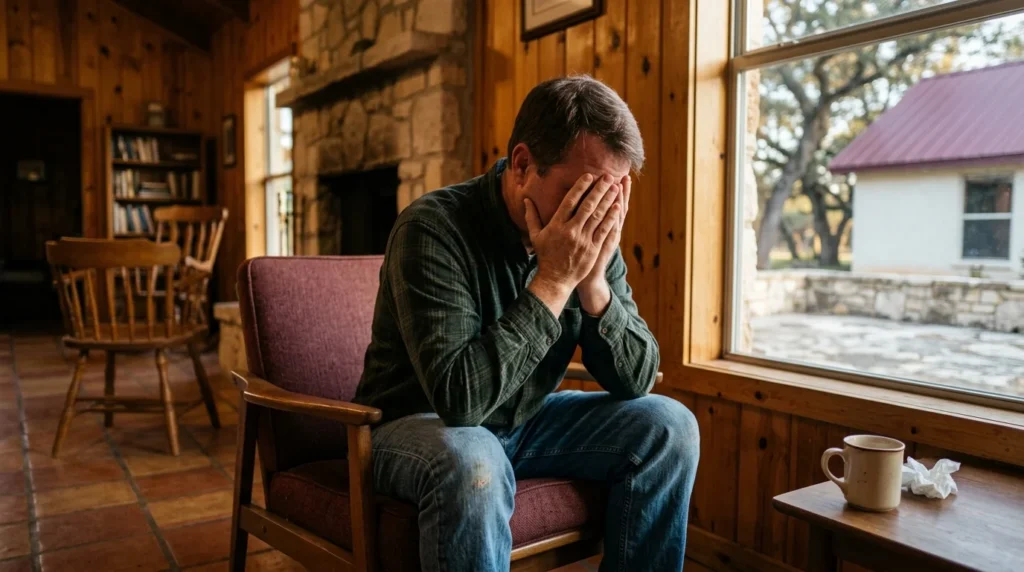
We additionally established a rideshare fund with an area companion for the very first 4 appointments, due to the fact that his cars and truck was unreliable. His wife joined two household sessions and took the lead on checking the refrigerator before weekends, due to the fact that hunger was a relapse trigger for him. He slipped back once at week 5 after a disagreement. The pee examination on Monday validated alcohol. We met the next day, added an additional treatment session that week, and went through his regression reaction strategy. He remained engaged. At 6 months, he had actually not made use of drug, drank two times, both times determined early, and returned to standard within 2 days. He informed me the difference was not white knuckling, it was not being alone with it.
Common pitfalls and just how to evade them
Two patterns repeat. Initially, strategies that rely on self-control alone. No medication for alcohol or opioids when qualified, no framework to the week, and no peers. That strategy asks the individual to combat a mind condition with grit. Some do, many do not.
Second, routines that are impossible. A mom of 3 can deficient to a 4 p.m. Midtown group on college days. A welder on https://spencerzjoi850.timeforchangecounselling.com/telehealth-and-online-addiction-treatment-options-in-san-antonio a 10 hour change will certainly avoid midday treatment calls. Develop the calendar around the life that exists, not the life we imagine.
Clinicians also fall under the catch of chasing excellence. If a client makes use of, we in some cases swing also hard, adding five consultations and harmful discharge. Frequently we require one extra session, an examine rest and food, and a tightened medicine plan. We can be company without being brittle.
Questions to ask a Texas provider before discharge
- How will my medicine be replenished the very first 3 months, and what happens if the drug store is out
- What is the specific schedule of therapy or teams for the first 8 weeks, and exactly how does it taper
- Who do I call after hours, and what is the expected response time
- Where and how usually will certainly I do urine or breath examinations, and exactly how will we make use of the results
- What transportation or telehealth choices are offered if I can not make it in person
If the answers are unclear, push for specifics. A good group will invite the nudge.
Getting started, one sensible action at a time
If you are in San Antonio or elsewhere in Texas and nearing discharge, sit down with your provider today and ask for a composed continuing care plan that fits your life. Consist of medication, treatment, testing, peer assistance, and a regression reaction. Share it with one member of the family or relied on pal. If you have ruled out medication for alcohol or opioids, ask once more. If transportation or childcare will certainly derail you, state so. The group can not repair what it does not see.
Addiction therapy is not a sprint. It is a collection of choices, supported by individuals and plans, that accumulate. With a clear proceeding care map, the road throughout Texas, from Amarillo to the Valley and with the heart of San Antonio, ends up being navigable. You do not require ideal conditions. You require a strategy that values the realities of your life, and a group that will certainly walk with you long enough for your mind, your routines, and your family members to overtake your intentions.
For anyone searching the internet at twelve o'clock at night, keying addiction treatment in San Antonio or Addiction treatment texas right into a box and hoping for a following step, know this: the step exists. Ask for continuing care that is concrete, kind, and consistent. It is not an add on. It is the job that transforms therapy right into a life.